

Technical Essentials of Organic Oyster Farming
In recent years, China's organic industry has maintained strong growth momentum. In 2024, sales of organic products in China reached 124.7 billion yuan, an increase of 23.15 billion yuan compared to 2023, representing a growth rate of 22.79%, solidifying its position as the world's third-largest organic consumer market. Nearly 19,000 enterprises nationwide have obtained more than 30,000 organic product certification certificates. The report "China Organic Product Certification and Organic Industry Development (2025)" released by the State Administration for Market Regulation on September 25,2025, indicates that China's organic industry continues to demonstrate robust growth, achieving breakthroughs in three key areas—planting scale, processing capacity, and business models—and has entered a new phase characterized by "production expansion, quality improvement in processing, strong market demand, and deepened international cooperation."
However, organic aquatic products in China are still in the nascent stage of the market, with a relatively small overall sales volume. According to the Head Leopard Research Institute's "2025 China Organic Food Consumption Trend White Paper," the overall market potential for organic livestock, poultry, and aquatic products is limited, particularly with organic aquatic product sales performing "disappointingly poorly" and failing to establish significant niche segments.
Today, we will explore the key aspects of organic oyster farming techniques and examine the provisions regarding organic aquaculture in GB/T 19630–2019 "Organic Products: Production, Processing, Labeling and Management System" to gain a deeper understanding of organic aquatic products.
I. Basic Requirements
1. Base Environment: Organic aquaculture bases should be located away from urban areas, industrial zones, major transportation routes, industrial pollution sites, and municipal waste disposal facilities. Artificially constructed farms must not disrupt the balance of surrounding aquatic and terrestrial ecosystems; coatings and chemical compounds used in construction materials and production equipment must not adversely affect the environment or farmed animals. Additionally, air quality at the base must comply with GB 3095 "Environmental Air Quality Standards," while water quality must meet the requirements of GB 11607.
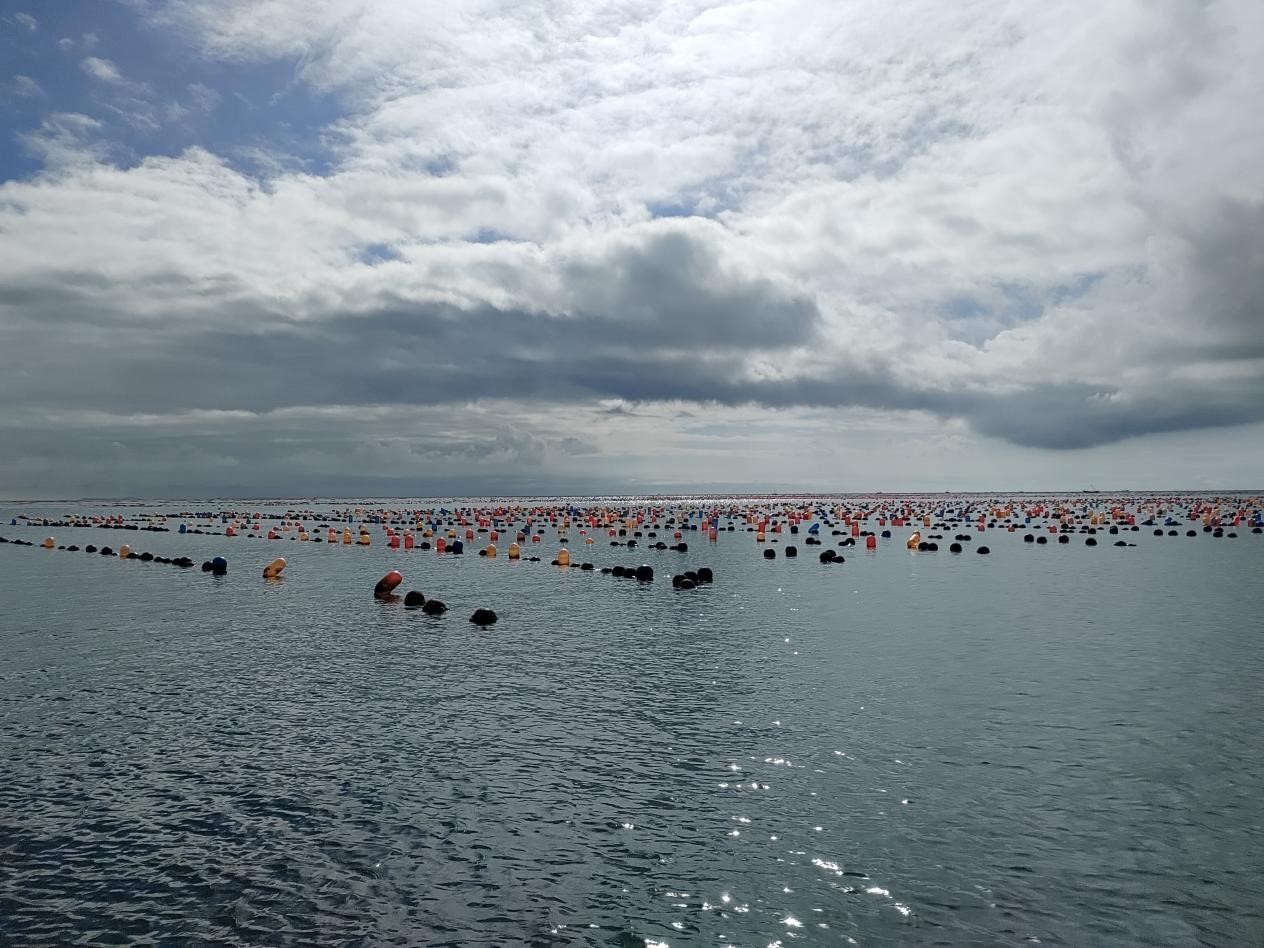
Organic aquaculture is further classified into open-water systems and closed-water systems. Open-water systems generally refer to super-large reservoirs, open sea areas, and tidal flats, whereas closed-water systems typically include ponds and small-to-medium-sized reservoirs. Oysters are commonly cultured using offshore cage farming methods, which falls under the category of open-water systems.
2. Transition Period: Aquaculture in non-open waters requires a 12-month transition period to shift from conventional to organic production methods. Conventional aquaculture organisms may also be introduced, but organic certification can only be obtained if organic practices are implemented during the latter two-thirds of the cultivation cycle. Oyster farming conducted in open seas involves introducing conventional aquaculture organisms into cage systems within open waters; thus, organic certification requires adherence to organic practices throughout the final two-thirds of the cultivation cycle.
II. Basic Requirements for Aquaculture
1. Cultivation Methods: The cultivation approach must align with the physiological characteristics of oysters and local conditions. Cultivation techniques should ensure the health of oysters and meet their fundamental physiological needs. Permanent aeration should be avoided, and coatings or chemical synthetic substances must not be used on construction materials or production equipment required for cultivation.
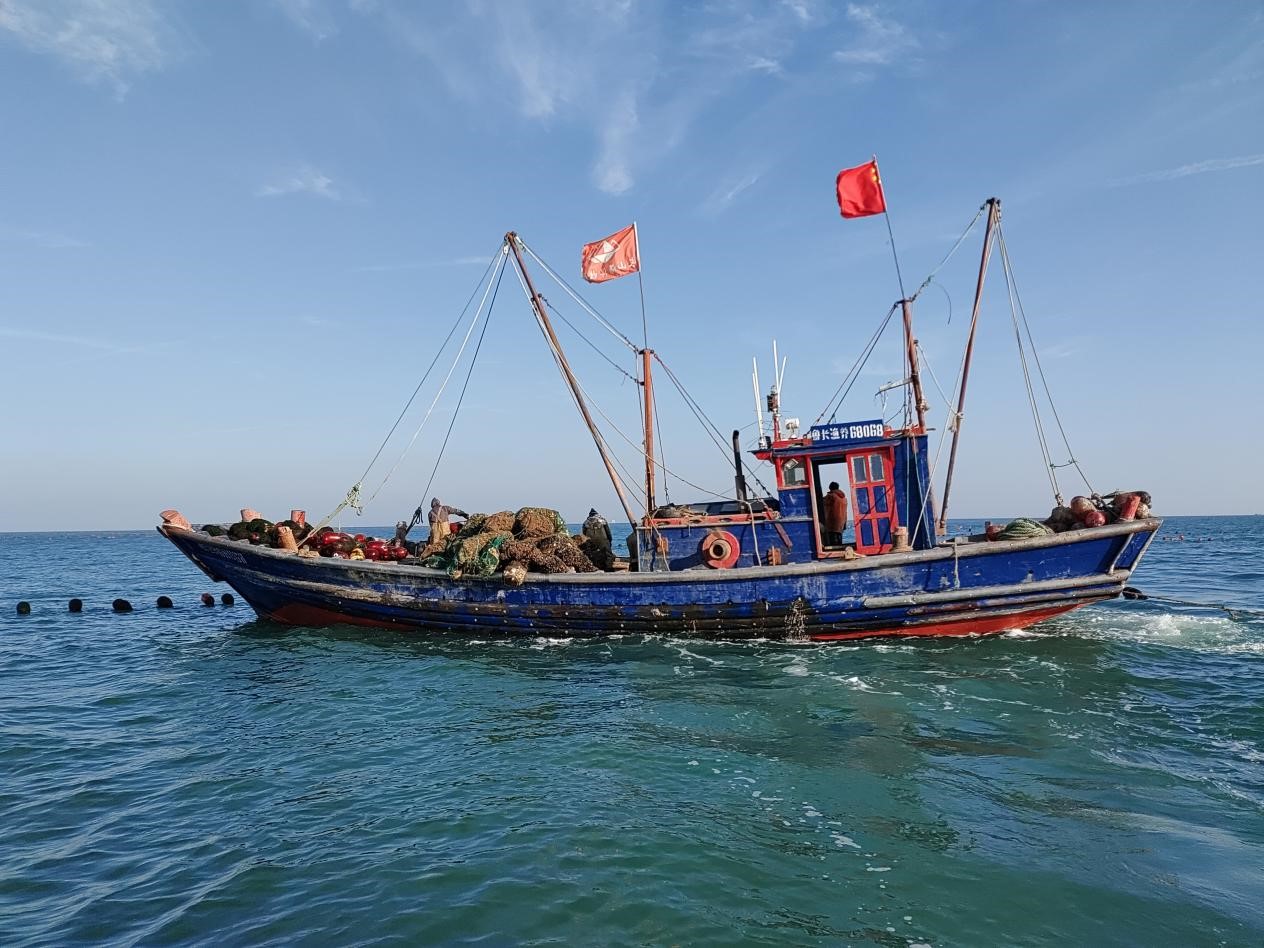
2. Feed: Oysters are typical filter feeders and do not require artificial feeding; they can obtain nutrients solely by filtering planktonic algae from seawater. However, in pond farming or other cultivation systems where feeding is necessary, organic or wild-derived feed must be provided. Natural mineral additives, vitamins, and trace elements may be incorporated.
III. Disease Prevention and Control
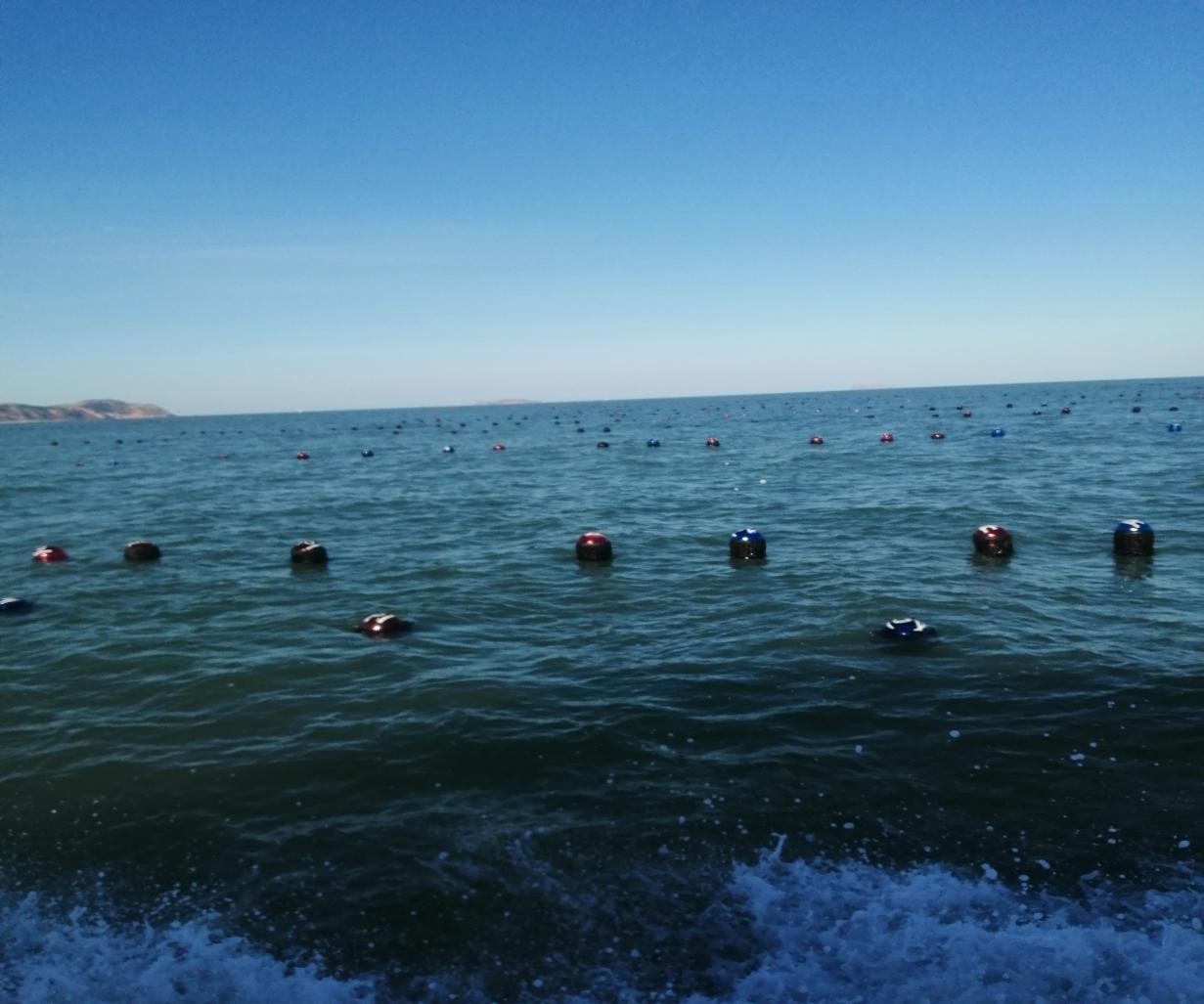
The prevention and control principles are rooted in agricultural ecosystems, employing a comprehensive range of measures to maintain ecological balance and biodiversity. Preventive measures should be implemented to ensure oyster health, with all management practices aimed at enhancing their resistance. Cultivation density should not be excessive, as this may adversely affect oyster health and behavior. Offshore aquaculture generally lacks the conditions for drug application. For pond-based aquaculture, substances such as quicklime, sulfur dioxide, potassium permanganate, tea seed cake, and microbial agents can be used to regulate water quality and environmental conditions. The use of natural remedies is recommended for prevention and treatment. When natural remedies prove ineffective, conventional fishery drugs may be employed, but only for one treatment course within 12 months; exceeding this duration requires switching to alternative methods. Oysters must undergo a two-fold withdrawal period following conventional drug application before being marketed as organic products.
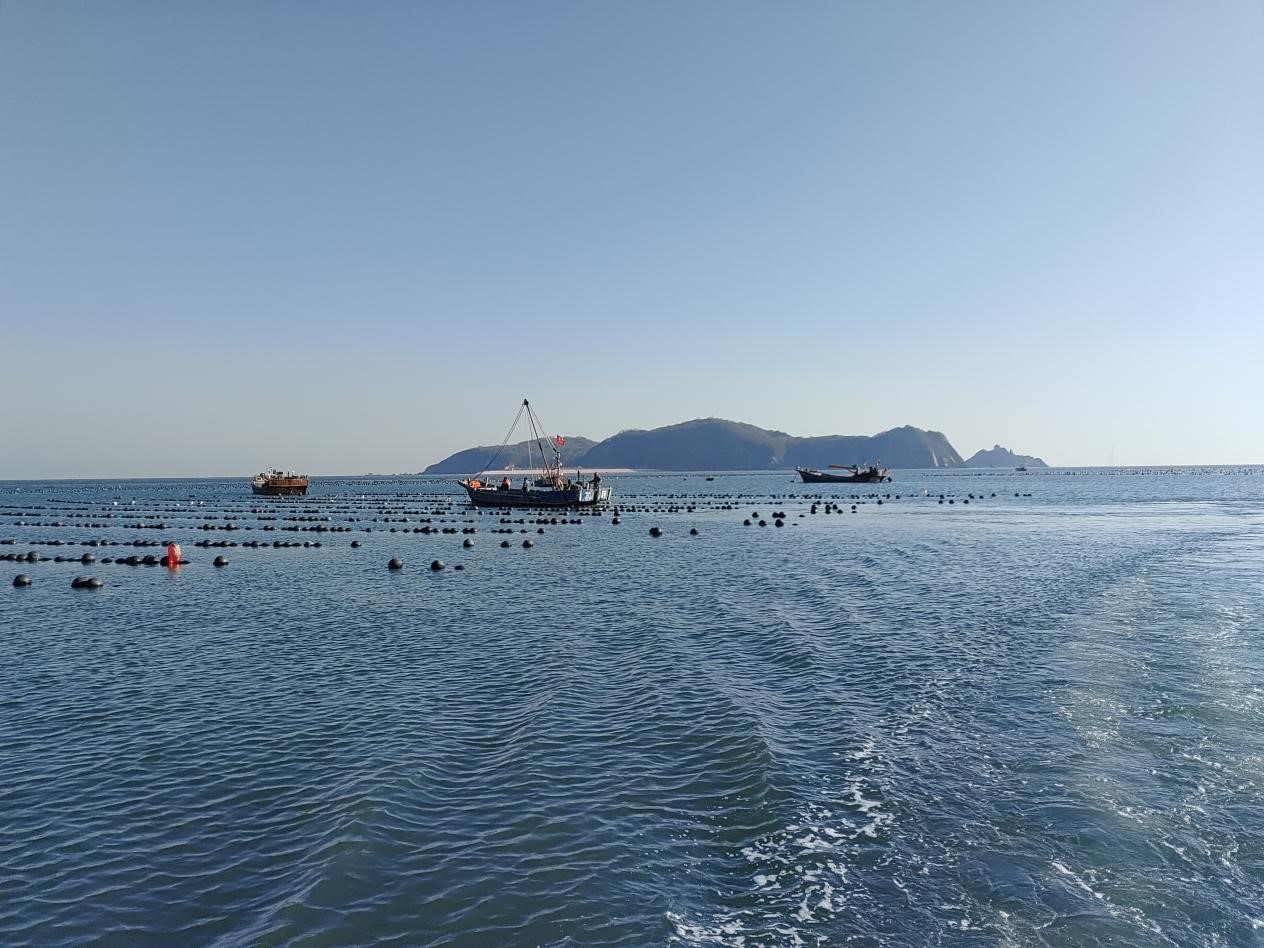
IV. Reproduction: Oyster seedlings should be propagated through natural methods; artificial insemination, artificial hatching, or other non-natural techniques are not recommended. Parthenogenesis, genetic engineering, or artificially induced polyploidization techniques should not be employed for propagation. Therefore, triploid oysters are ineligible for organic certification.
V. Fishing: Fishing gear shall comply with relevant national regulations. In open water bodies, the reported catch volume shall not exceed the ecosystem's regenerative capacity and shall not adversely affect the sustainable production of natural waters or the survival of other species.
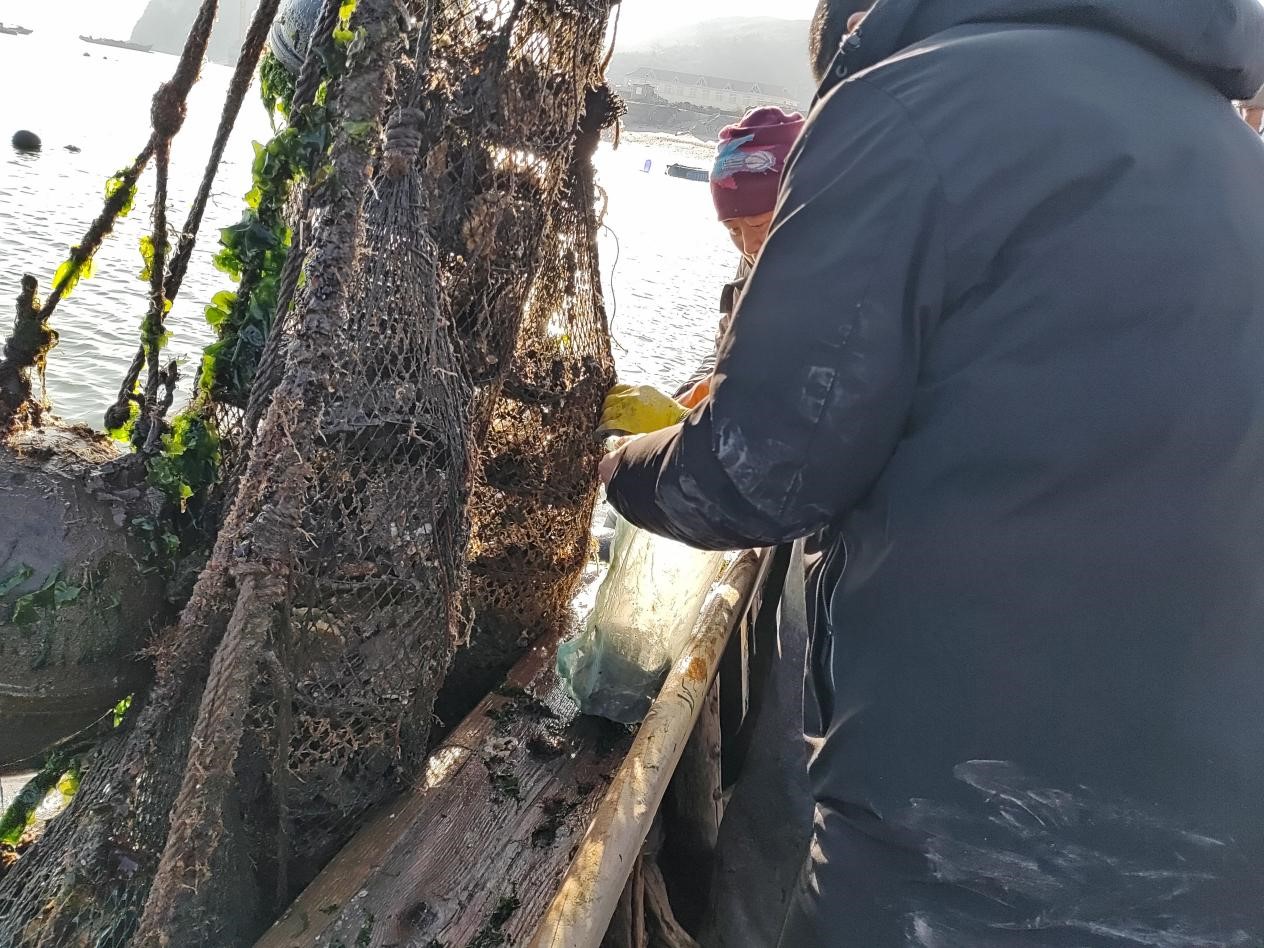
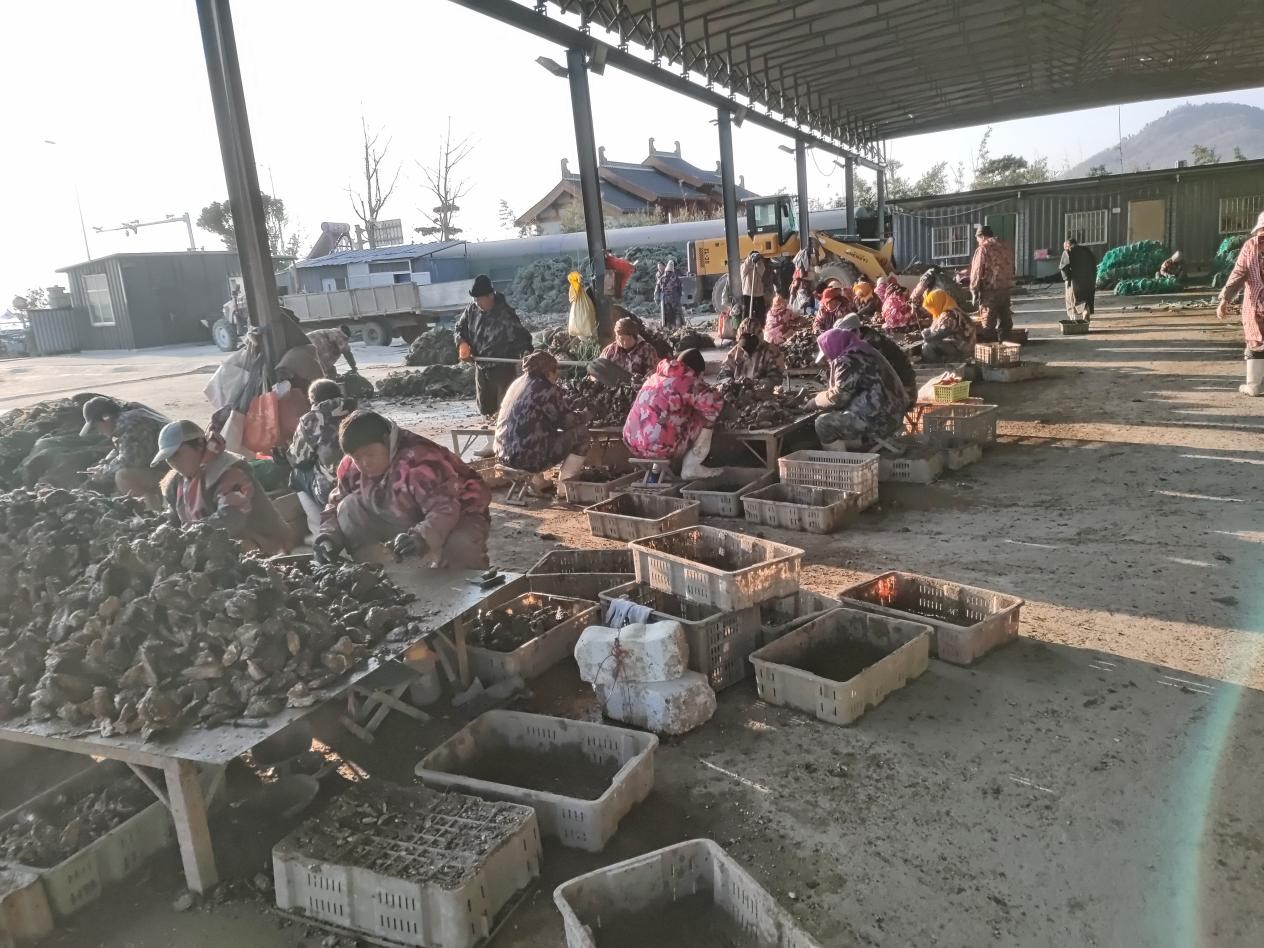
VI. Transportation and Slaughter: Organic farming places great emphasis on animal welfare, requiring respect for animals' natural growth patterns and comprehensive consideration of their physiological, environmental, sanitary, behavioral, and psychological needs. During transportation, attention must be paid to maintaining proper conditions such as animal density, water temperature, pH level, and dissolved oxygen; transport distances should not be excessive, and sedatives or stimulants should not be used. At slaughter, animals must be rendered unconscious to minimize stress and suffering in aquatic species. Oysters are typically transported at low temperatures out of water and belong to a lower taxonomic group of shellfish, making their transportation and slaughter process relatively easier to meet organic standards.
Beijing Cotecna Kaixin Certification Co., Ltd. ("BCK") will continue to spare no effort in collaborating with enterprises, consistently supporting their production of high-quality organic products and contributing expertise and resources to the development of the organic industry.
About Cotecna Kaixin Certification
Beijing Cotecna Kaixin Certification Co., Ltd. ("BCK") is a third-party certification body accredited by CNAS and ANAB. Focusing on providing certification services covering quality and safety, agri-food products, intellectual property, information security, energy, and sustainability, we have served over 20,000 clients, and remains committed to delivering premium and efficient service to clients, contributing to economic prosperity, environmental sustainability, and social responsibility.